Private clinics, eye laser clinics, cosmetic surgery centers and specialty clinics

In private clinics, a clean and controlled environment is essential — not only to protect patients, but also to meet hygiene regulations and quality expectations.

Procedures such as eye laser treatments, cosmetic surgery, and minor medical procedures may not be performed in full-scale hospital operating rooms, but they still require positive pressure to maintain a sterile treatment environment. Pressure monitoring helps to ensure that clean, filtered air flows outwards, preventing contamination from entering the procedure room.

For these clinics, having a simple, reliable, and easy-to-understand pressure monitoring system is key. It ensures that both technical and medical staff can instantly verify room status and respond if needed.
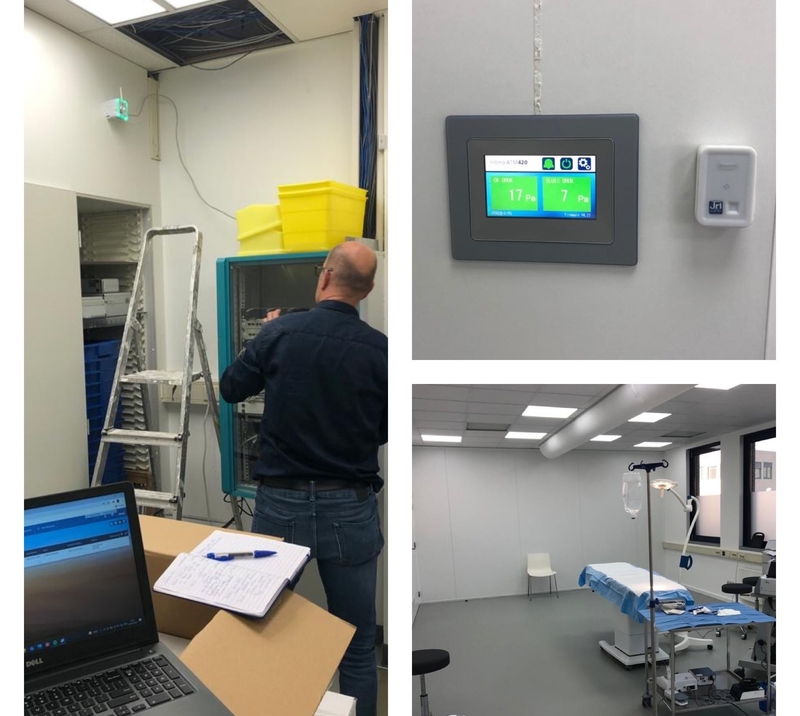
 

Why Choose the ATM420:

  • Continuous monitoring of differential pressure between:
    • Corridor and procedure room (or airlock if present)
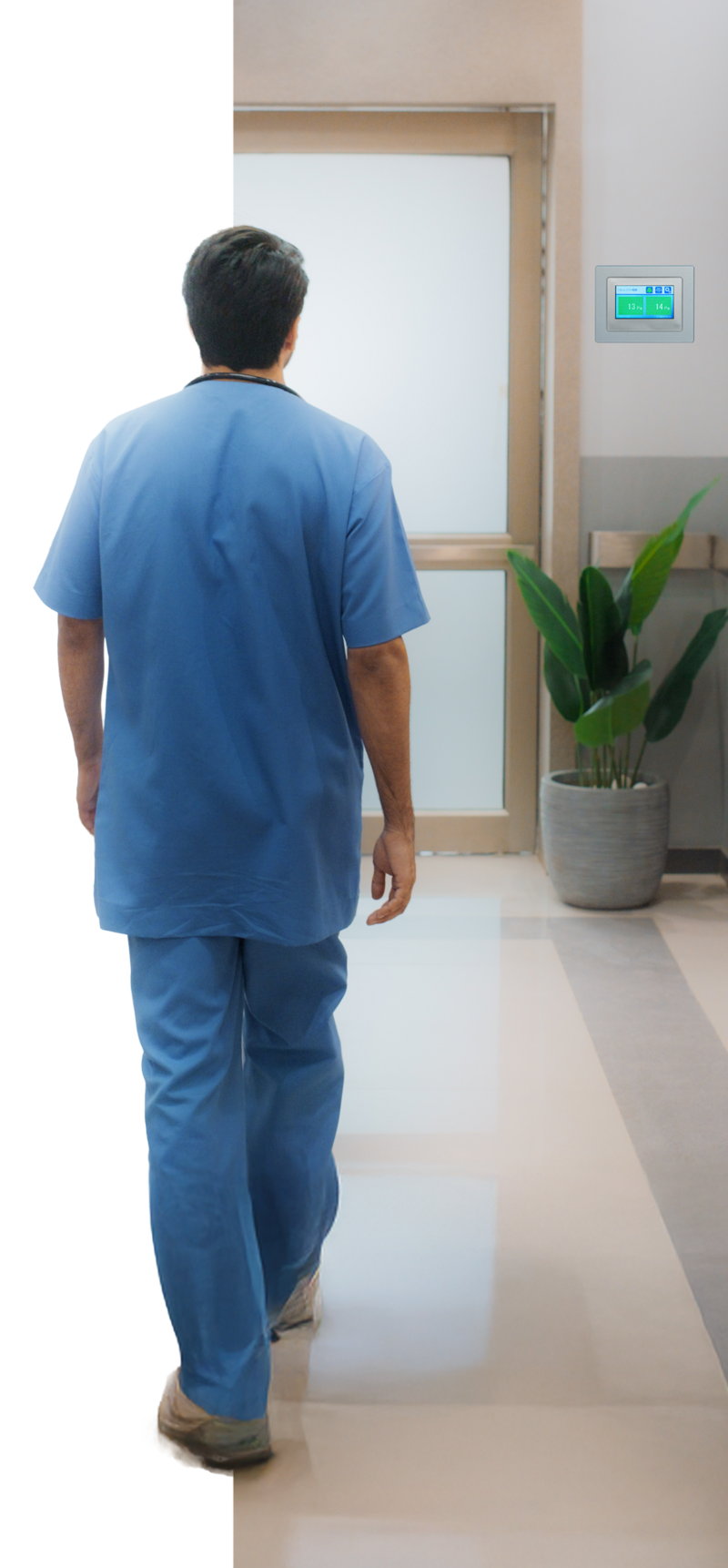
  • Immediate visual feedback with clear green = safe and red = alarm indicators.
  • Optional audible alarm with adjustable time delay, preventing unnecessary alarms when doors briefly open.
  • Compact design, ideal for smaller clinics where space is limited.
  • Maintenance / cleaning mode – Activated via a secure code, the display switches to grey, indicating the system is temporarily paused. This mode is ideal during cleaning, calibration, or system maintenance.
  • Easy to install and intuitive to use – no specialized training required.
  • Fully compatible with Building Management Systems (BMS) for centralized logging and control, if needed.
  • Equipped with high accuracy differential pressure transmitters that offer two standard analog outputs (4…20mA and 0…10V), allowing seamless connection to variable air volume controllers (VAV) or Building Automation Systems (BAS).
  • Optional Modbus RTU output for advanced integration — monitor display status remotely and even adjust alarm settings from your central system.
With ATM420, private clinics can easily maintain safe and compliant treatment rooms — ensuring a hygienic, professional environment that meets both healthcare standards and patient expectations.